Ads space
Safaga City – Red Sea
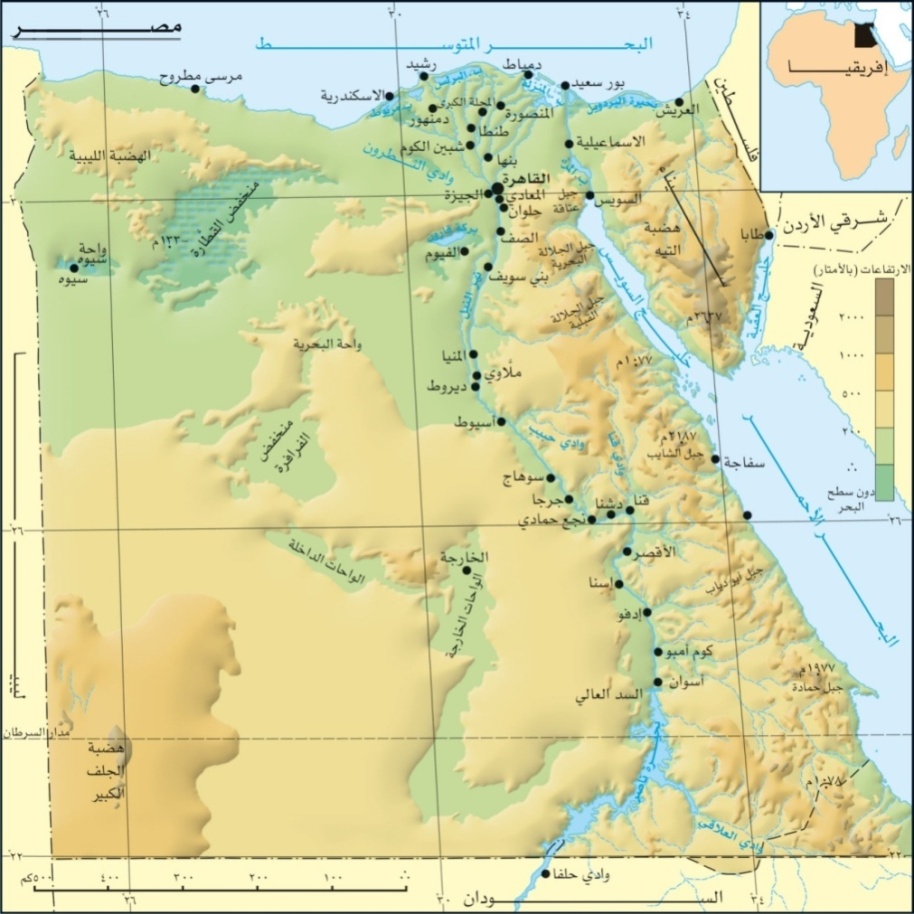
Safaga is the second largest city in the Red Sea Governorate, located 60 km from Hurghada and 550 km from Cairo (a 6-hour bus ride). It is also accessible by air via Hurghada Airport.
Safaga is characterized by its tranquility and mild climate year-round, along with its healthy, humidity-free environment. This has placed it in a prominent position on the global tourism map. It boasts soft, sandy beaches and crystal-clear waters ranging in color from turquoise green to light blue, with no high waves. This makes it a popular winter and summer destination for those seeking to enjoy beaches, recreation, and water sports.
These unique climatic factors have made Safaga an oasis of environmental healing for patients with psoriasis and rheumatic diseases. Large numbers of people from various countries flock to the city annually to enjoy its health and wellness in a pollution-free and quiet environment.
Why choose environmental healing in Safaga?
The Safaga region is distinguished by a range of natural factors that make it a suitable location for those seeking environmental therapy, particularly patients with psoriasis and rheumatic diseases. Scientific research has shown that while environmental therapy is possible in other parts of the world, Safaga’s geographical features and the composition of its seawater make it more suitable and safer than any other location.
The results of research conducted by the National Research Centre on the geographical features and analysis of Red Sea water in the Safaga region can be summarized as follows: The Safaga region is surrounded by high mountains on all sides, which act as a natural barrier against winds and sandstorms. Consequently, the area’s air is completely free of suspended impurities that would scatter and absorb sunlight, resulting in a significant amount of ultraviolet radiation, which is essential for treating psoriasis. Furthermore, the purity of Safaga’s air and its lack of pollution play a crucial role in strengthening the human body’s immune system. The beach in the Safaga area is shaped like a bay, resulting in perfectly calm and wave-free waters. The water acts like a mirror, reflecting ultraviolet rays back to the Earth’s surface.
The Red Sea has a very high salinity, up to 30% higher than other seas worldwide, due to the density and flourishing of coral reefs in the area. This high water density allows swimmers to float easily, reducing the force of gravity and leading to a noticeable improvement in blood circulation. Consequently, the amount of blood reaching the skin is increased, and simultaneously, a balance is achieved between the salt concentration above and below the skin, significantly impacting the speed of healing.
Furthermore, analysis of the black sands in the Safaga area has revealed the presence of three radioactive materials in harmless proportions: uranium, thorium, and radioactive potassium. In addition, the sands contain high levels of salts and minerals, potentially including all known natural elements, with a particularly high concentration of gold salts, which are considered essential for treating rheumatic diseases. In addition, black sand is beneficial in treating common and acute joint inflammation, swelling, effusion (joint fluid), and skin nodules, especially on the elbows, as well as skin inflammations associated with these conditions.
The year-round sunshine in the Safaga region is a key factor in its environmental therapy, unlike other areas around the world that offer environmental therapy services, where the sun is absent during the autumn and winter seasons.
Furthermore, due to the nature of these other areas, where the land lies below sea level, they do not offer safe treatment options for patients with psoriasis and rheumatoid arthritis who also suffer from heart, kidney, liver, tuberculosis, bleeding disorders, some malignant diseases, arteriosclerosis, high blood pressure, epilepsy, or neurological conditions. The low elevation of the land prevents these patients from receiving treatment there due to its potentially harmful health effects. Conversely, the geographical nature of the Red Sea region of Safaga does not preclude the presence of such patients at all, as it poses no environmental harm to them during treatment, given its location at sea level.
Furthermore, another crucial point is that while bromine is present in high concentrations in some other seas, and is scientifically known to cause skin allergies in many individuals, manifesting as red spots and itching, and potentially leading to severe ulceration, the concentration of bromine in the Red Sea is negligible. This provides the advantage of safe treatment in the region without any side effects.