Ads space
Helwan
The Sulphur Springs of Helwan:
The ancient Egyptians were the first to appreciate the Helwan springs, considering them a divine blessing. These springs flourished during the reign of Caliph Abdul Aziz ibn Marwan, then disappeared, only to reappear during the reign of Khedive Abbas I. In 1849, the army was encamped near Helwan when many soldiers contracted scabies. One of these soldiers, wandering in the desert towards the hills, discovered unusual waters containing sulfur. Upon bathing in them, his itching subsided, and he was cured. He informed his comrades, who were also cured. News of these soldiers reached the Khedive, who in turn sent many soldiers and civilians to seek healing in the waters.
The first medicine discovered was mineral water. After examining and analyzing the waters of the Helwan springs, scientists found that this water is among the richest in medicinal healing elements. In addition to Helwan’s dry climate, this creates an ideal environment for treating numerous ailments, most notably skin diseases, rheumatic and joint pain, liver and urinary tract diseases, and others. Thus, Helwan’s climate is considered ideal for health resorts. Therapeutic Uses: During the reign of Khedive Abbas in 1849, soldiers suffering from skin and rheumatic diseases were sent to the Helwan Springs, along with many civilians.
Therapeutic Importance: The Helwan Springs are among the most famous water springs in Egypt, renowned for their high sulfur content, reaching up to 27%. In 1939, a natural mineral spring erupted from the earth.
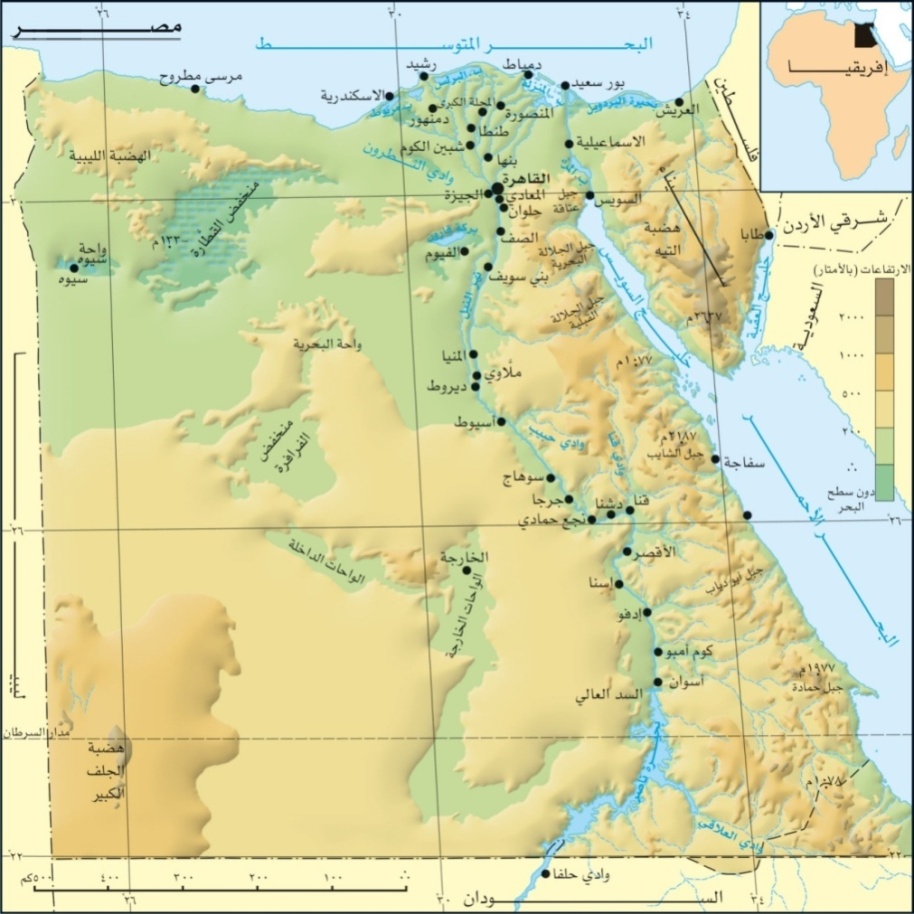
The Helwan Springs are located approximately 33 meters above the Nile River and about 4 kilometers from the river. The area encompassing the springs is approximately 4.5 kilometers in north-south and 3.5 kilometers in east-west.
The sulfur is used in the composition of sulfa drugs, penicillin, medicinal soaps, and medications that aid in cartilage building and maintenance.
Sulfurous Waters: These are also known as hot springs and are considered an important destination for treatment and healing for many people, both sick and healthy, due to their numerous benefits. Sulfur waters are characterized by their soothing, analgesic, and anti-inflammatory effects. This is due to the water’s mineral content and the increased hydrogen sulfide concentration, which is evident in the reddening of the skin and face.
Physiological Effects:
– Vasodilation.
– Increased heart rate.
– Increased metabolic rate.
– Muscle relaxation.
– Increased elasticity of connective tissues.
– Activation of the collagen layer.
– Tightening and firming of sagging skin.
– Increased cortisol secretion.
Diseases Treated with Sulfur Waters:
Diseases of the joints, bones, and muscles (rheumatoid arthritis, chronic gout, fibrositis, chronic osteoarthritis, Bekhterev’s disease).
Spinal pain and herniated discs.
Skin diseases (psoriasis, scabies, tinea, eczema, neurodermatitis, acne).
Respiratory diseases (sinusitis, asthma, bronchitis). Some urinary tract infections and stomach ailments.
Methods of treatment with sulfur water:
There are three methods of treatment:
Drinking.
Inhalation.
Immersion:
This is the method used in the Helwan sulfur baths.
The Helwan Sulfur Center for Rheumatology and Natural Medicine was established in an Islamic-Arabic style. It includes 38 rooms for sulfur water treatment, rest rooms, and chalets for patient accommodation, all located a short distance from the treatment areas and surrounded by beautiful gardens to provide a refined environment for patient stays.
Area and Number of Buildings:
The Helwan sulfur baths are characterized by their large area, which is approximately 19,500 square meters. The buildings occupy approximately 12,000 square meters, with the remainder being green spaces.
Buildings:
There are six separate buildings in addition to ten chalets.
First: The main building
It contains an elegant hall with a dome built in the Islamic-Arabic style. It houses the information desk and the treasury and includes: – Outpatient clinics for medical examinations (rheumatology and dermatology).
Women’s section for mud therapy, sulfur baths, therapeutic massage, heat packs, and paraffin wax (inoperative since 2011).
Men’s section for mud therapy, sulfur baths, therapeutic massage, heat packs, and paraffin wax (renovated in 2004).
Second: The Electrotherapy and Physical Therapy building, which includes:
Women’s Physical and Electrotherapy Department.
Men’s Physical and Electrotherapy Department.
A newly established unit for the rehabilitation of children with special needs, specifically children with cerebral palsy (a collaborative effort between the Physical Therapy Department, the Therapeutic Medicine Department, and the center’s director, through their own resources).
Third: The Men’s Underwater Movement/Exercise building, which includes a sulfur bath for men.
Fourth: The Women’s Underwater Movement/Exercise building, which includes a swimming pool where therapeutic exercise sessions are conducted using the physical properties of water and the sulfur present in the water. Fourth: Chalets
There are ten chalets to accommodate patients and their companions at nominal prices. Six of these chalets were renovated in 2009 and four in 2013.