Ads space
Sharm El Sheikh
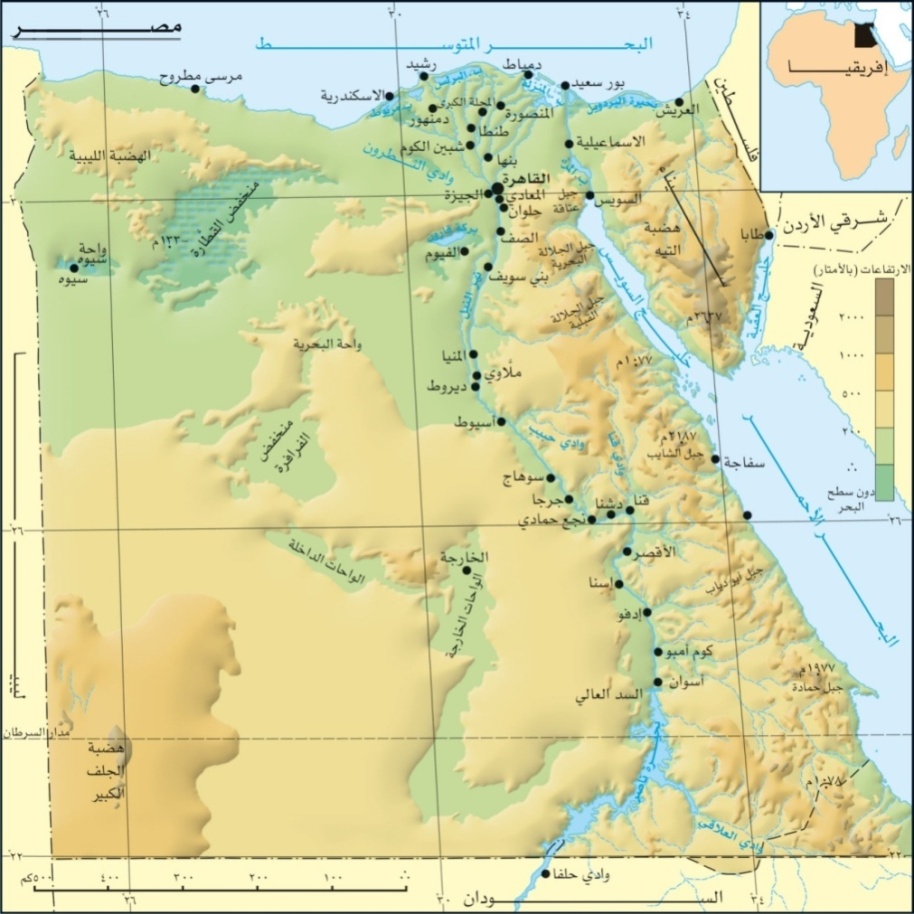
An Egyptian tourist city located at the meeting point of the Gulfs of Aqaba and Suez on the Red Sea coast. It covers an area of 480 square kilometers and has a population of 35,000, making it the largest city in the South Sinai Governorate. The city boasts tourist resorts frequented by visitors from all over the world and is renowned as a world-class diving center, attracting both amateur and professional divers. It also has an international airport. Off its coast lie the islands of Tiran and Sanafir. Among its most important areas are Ras Nasrani, Ras Umm Sid, Ras Gamilah, Ras Kanisa, Sharm El Maya, and Nakhlah El Tabl, in addition to the Ras Mohammed National Park to its south and the Nabq Protected Area between it and Dahab. Naama Bay, at the meeting point of the continents of Asia and Africa, is also located within the city. Sharm El Sheikh features more than 200 hotels and resorts, in addition to restaurants, cafes, shopping centers, amusement parks, nightclubs, and casinos.
Natural and Tourist Attractions:
– Naama Bay Beach
– Shark Bay
Naama Bay:
Located at the crossroads of Asia and Africa in the heart of Sharm El Sheikh, Naama Bay is a popular tourist destination thanks to its excellent environmental and tourist attractions. These include the Red Sea’s vibrant coral reefs, soft sand beaches, and year-round warm weather. The bay is also renowned for swimming with colorful fish, viewing the coral reefs from glass-bottom boats, and enjoying diving, sailing, and water skiing. Naama Bay is distinguished by its streets named after Arab leaders and kings, its numerous restaurants, cafes, shops, and international hotel and resort chains.
Shark Bay:
Shark Bay is another area in Sharm El Sheikh known for its stunning natural scenery and world-class resorts. Several different stories circulate regarding the origin of its name. One suggests that sharks actually inhabited this bay until about 12 years ago. Another account claims that some tourists mistook manta rays for sharks. Yet another story suggests that local fishermen used to unload their shark catches specifically in this bay. However, it is now known that this bay is free of sharks of any kind.
Ras Mohammed National Park:
The Ras Mohammed Peninsula National Park is located at the meeting point of the Gulf of Suez and the Gulf of Aqaba in South Sinai, approximately 12 km from the city of Sharm El Sheikh. The reserve is one of Sinai’s most famous landmarks. Declared a nature reserve in 1983 and designated a World Heritage Site, it covers an area of 850 square kilometers and includes the islands of Tiran and Sanafir. The eastern edge of the reserve is a rocky wall bordering the bay, which is home to coral reefs. A mangrove channel, approximately 250 meters long, separates the Ras Mohammed peninsula from Al-Ba’eira Island.
The Ras Mohammed area is distinguished by its coral reefs, which lie deep within the surrounding waters, and by its colorful fish, endangered sea turtles, and rare marine life. Coral reefs surround Ras Mohammed on all sides, and numerous underwater caves lie beneath the peninsula. The reserve is a habitat for a variety of birds, animals, and insects, as well as numerous marine species and approximately 150 types of coral. It also contains many fossils dating back between 75,000 and 20 million years. The reserve is considered one of the most beautiful diving spots in the world, and its most important attractions include: the Enchanted Pool, which is shaped by the tides; the ancient earthquake zone; the mangrove area; coral reef and birdwatching spots; and the designated swimming area on the beach.
Tiran Island, Sanafir Island.
Tiran Island:
Tiran Island covers an area of 61 square kilometers at the base of the Gulf of Aqaba coast, near Ras Muhammad, and is about 6 kilometers from the eastern coast of Sinai. It is a floating island and coral reef, composed of ancient granite bedrock, hidden beneath layers of sedimentary rock. The island’s water sources are limited to rainwater and winter floods that collect in rock sinkholes formed by the erosion of the water. The island was formerly known as the “Aytab” region, where it served as the imperial customs station during the Byzantine era in the 6th century AD. Taxes were collected from trade caravans arriving from India to Byzantine ports. Large Byzantine ships and smaller vessels trading in spices of all kinds passed through it on the eastern shore of the Red Sea. From Tiran Island, ships sailed to the port of Aqaba (ancient Ayla) and to the seaport of Suez (ancient Qulzum), and from there overland to Alexandria and the Nile River. From there, goods from the East were distributed to all countries of the Mediterranean basin.
Sanafir Island:
Sanafir Island is located approximately 2.5 km west of Tiran Island. It has an open southern bay suitable as a refuge for ships in emergencies. Following Israel’s occupation of the port of Eilat, Egypt took several measures to strengthen its position in the Gulf of Aqaba. In January 1950, it occupied the islands of Tiran and Sanafir, which control the gulf, and installed coastal artillery at the gulf’s entrance. It also closed the Straits of Tiran to Israeli shipping. At that time, Sanafir Island was under the sovereignty of Saudi Arabia until 1952, when the Kingdom ceded the island to Egypt so that Egypt could declare its full and exclusive sovereignty over the Gulf of Aqaba and the Straits of Tiran.
Nabq Protected Area: the Nabq Protected Area covers 600 square kilometers in the region between Sharm El Sheikh, Dahab, and Wadi Umm Adawi in South Sinai. It is 500 kilometers from Cairo and about 35 kilometers from Sharm El Sheikh. It was declared a nature reserve in 1992. The reserve encompasses approximately 600 square kilometers, with 440 square kilometers of land and 160 square kilometers of water. It is characterized by its diverse ecosystems (mountainous, desert, and marine) and is home to a large number of animals and birds, as well as many rare species of invertebrates, rodents, reptiles, colorful fish, and shellfish. The reserve also boasts a unique plant life, with approximately 134 plant species, at least 86 of which are extinct elsewhere. The reserve is a prominent tourist destination in Sinai, attracting diving enthusiasts, desert campers, and wildlife and birdwatchers. It is also conveniently located near several other tourist destinations, including Taba and Dahab, as well as two of the world’s most famous sites: St. Catherine’s Monastery and Mount Catherine.
Al-Gharqana is a tourist area located opposite Tiran Island, 30 km from Sharm El Sheikh, within the Nabq Protected Area. It attracts over 3 million tourists annually who come to dive and admire the coral reefs and colorful fish found nowhere else in the world. The area was named after the German merchant ship Maria Schroeder, which struck the fossilized coral reef in 1956. The ship sank immediately off the coast of Nabq forests, breaking into two parts: one section above sea level and a large portion submerged at a depth of 24 meters. The ship remains on the seabed, preserving all the tools used by the sailors. It is a popular destination for divers and tourists. Other notable sites include Al-Mustafa Mosque, Al-Salam Mosque, and the Church of the Heavenly Beings (interior view).
Sharm El Sheikh boasts several mosques built in distinctive architectural styles. Among the most famous are Al-Salam Mosque, inaugurated on December 12, 2001; Al-Mustafa Mosque, inaugurated on October 26, 2007; and Al-Sahaba Mosque, inaugurated on March 24, 2017. The city also houses the Church of the Heavenly Beings, the largest church in Sinai, located in the Al-Nour district of Sharm El Sheikh. Pope Shenouda III, Pope of Alexandria and Patriarch of the See of St. Mark, laid the foundation stone of the church on March 22, 2002, and inaugurated it on December 5, 2010, at a total cost of 100 million Egyptian pounds. It serves more than 12,000 Christians in the city.
Sharm El Sheikh International Museum:
The Sharm El Sheikh International Museum is a museum under construction, situated on 52 acres. Buildings occupy 14% of the land, with the remainder consisting of green spaces, parking areas, and open exhibition areas. The museum sheds light on the Sinai city, highlighting its archaeological and historical significance. It displays 7,000 artifacts spanning from the Pharaonic era to the modern age. The complex includes seven exhibition halls, a theater, a cinema, a conference hall with a capacity of 1,000 people, lounges, shops, bazaars, a children’s and family library, a desalination plant with a capacity of 800 cubic meters, and a seawater treatment plant for irrigating the landscaping that will be established within the museum grounds. It also features generator rooms and storage facilities for the artifacts. The museum’s establishment aims to diversify the tourism offerings for visitors to Sharm El Sheikh, saving them the trouble of traveling to Cairo to visit museums, especially since most visitors return home immediately after their trips without visiting the archaeological sites.
Plants in Sharm El Sheikh: The Peace Garden, also known as the International Botanical Garden, is located in Sharm El Sheikh and covers an area of 33 acres. It contains 37 rare medicinal plant species and includes three main sites:
The Biodiversity Information Center: This center supports local communities by marketing their products to visitors to Sharm El Sheikh, thus contributing to the economic and social development of these communities.
The Peace and Environment Museum: This museum includes the Peacemakers Hall, which screens environmental documentaries, and the Presidential Pavilion, which contains photographs and documents related to the 1989 Taba Agreement and the Camp David Accords.
The Sinai Biodiversity Diorama.
The Peace Icon: The Peace Icon is a monument located in the center of Peace Square, a 36,000-square-meter plaza situated at the entrance to Sharm El Sheikh International Airport, the Dahab Road, and the Sharm El Sheikh Ring Road. The icon is designed in the form of clusters of black granite bearing lotus leaves, surmounted by eight wings inspired by the wings of Ra, holding a 10-meter diameter globe with a stainless steel world map on it, with Egypt’s location marked in gold. Above it flies a dove carrying an olive branch, a symbol of peace. The eight wings point to the main directions: north, south, east, west, northeast, northwest, southeast, and southwest.
The Icon of Peace: The Icon of Peace is a monument located in the center of the 36,000-square-meter Peace Square at the entrance to Sharm El Sheikh International Airport, the Dahab Road, and the Sharm El Sheikh Ring Road. The icon is designed as clusters of black granite bearing lotus leaves, surmounted by eight wings inspired by the wings of Ra. These wings support a 10-meter-diameter globe on which is a stainless steel world map, with Egypt’s location marked in gold. Above the globe, doves carrying olive branches, a symbol of peace, fly. The eight wings point to the cardinal directions: north, south, east, west, northeast, northwest, southeast, and southwest.
The icon stands approximately 34.5 meters tall, with a net height of 26.5 meters and a wingspan of 24 meters. A fountain with a diameter of 35 meters surrounds the icon, featuring approximately 47 water jets at varying heights, reaching up to 16 meters in a spiral pattern. The site around the icon is landscaped with a series of circular arrangements featuring a mix of plants, colorful flowers, stones, and paving. A parking area is also included, with a central entrance to the plaza in front of the icon. This entrance, surrounded by palm trees, features a gentle curve that guides visitors to the walkway around the fountain. The icon was created and designed by Egyptian hands as a symbol of peace and is registered in the Guinness World Records as the largest and tallest metal artwork in the world. [The following appears to be unrelated and possibly a separate entry: “Memorial to the victims of the Sharm El Sheikh plane crash.”] Main article: Flash Airlines Flight 604 crash
On January 3, 2004, Flash Airlines Flight 604, a Boeing 737 operated by the Egyptian airline, crashed, killing 148 people, including 133 tourists (French, Moroccan, and Japanese) and 13 crew members. The plane crashed into the Gulf of Aqaba, 10 km off the coast of Naama Bay, just ten minutes after taking off from Sharm El Sheikh International Airport en route to Cairo and then on to Paris.
Following the crash, the Egyptian government erected a memorial in Sharm El Sheikh to commemorate the victims. It was inaugurated in May 2006. The memorial was designed as a symbol of the crash and was artistically engineered to move with the wind and calm with the breeze, representing the interplay between life and death.
Tourist Activities: Dolphin Shows: Sharm El Sheikh boasts numerous tourist attractions, including the Old Market area on the city’s outskirts. This market is known for its affordable prices, offering everything tourists need. Another attraction is the Bedouin Heritage Village, spanning 20,000 square meters. Established to preserve Bedouin cultural heritage, it features 100 shops, an open-air theater, pergolas, and family-friendly spaces. Soho Square, illuminated with state-of-the-art lighting technology, is another major tourist draw, reminiscent of iconic landmarks like the Champs-Élysées in Paris and Oxford Street in London.
This makes it a significant tourist attraction. The city is also home to various tourist activities, including dolphin shows, which are one of the most popular tourist activities for visitors, in addition to horse and camel riding, bicycles, water skiing, snorkeling, diving, desert safaris, various water sports, parasailing, sailing, sandboarding, and due to its moderate winds, it is preferred by kite enthusiasts. Moreover, it contains more than two hundred hotels and resorts, in addition to various restaurants, cafes, amusement parks, commercial markets, nightclubs, and casinos.