Ads space
Kharga Oasis
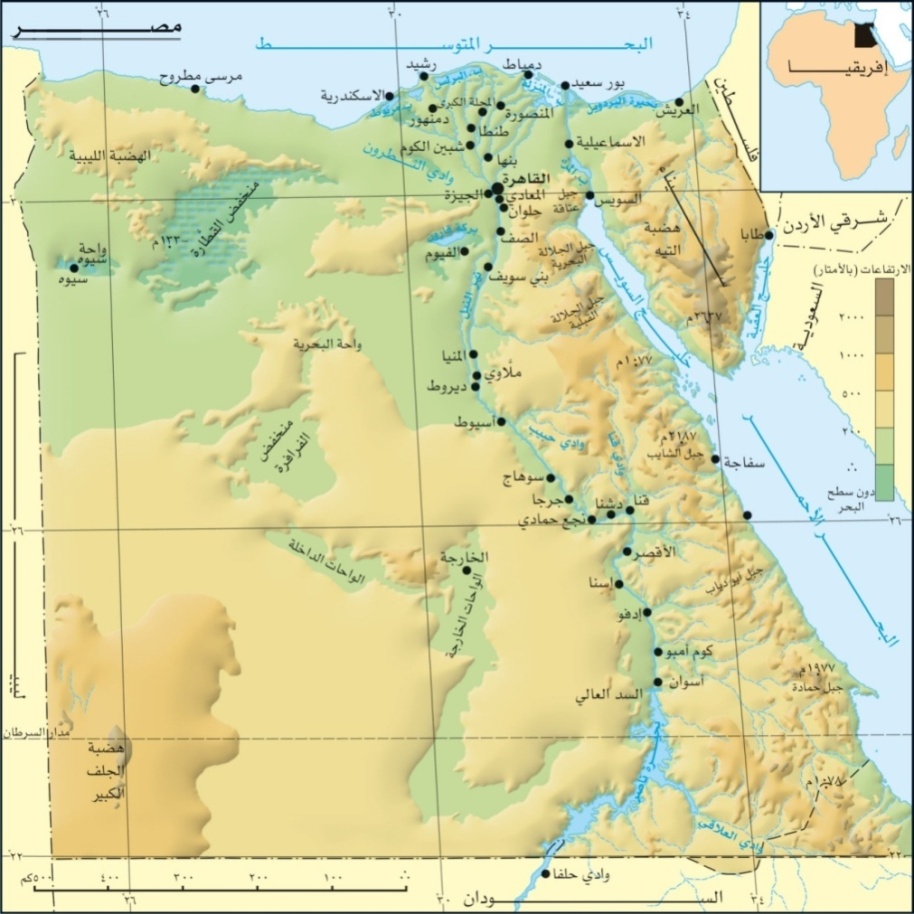
A large oasis and Egyptian city, Kharga is the capital of the New Valley Governorate.
Kharga is considered the most developed oasis in the Western Desert, offering most of the amenities for modern life. This distinguishes it from other Western Desert oases like Siwa and Dakhla, making the term “oasis” somewhat inaccurate and potentially misleading.
The name “Kharga” or “Kharga Oasis” means “outer oasis” in Arabic. It is the capital of the New Valley Governorate and is the largest and most modern oasis in the Western Desert.
Located 180 kilometers east of the Dakhla Oasis, and at 225 kilometers or less from the Asyut Governorate and the heart of Upper Egypt, it served for centuries as a gateway between Egypt and Africa via the Darb al-Arba’in (Forty Days Road). As an administrative center, it is the oasis most intertwined with diverse cultures. It boasts some of the most important churches that served as refuges for Christians fleeing the Romans. Known for its oases and villages, many of which share names with Arab countries and Cairo neighborhoods, such as Saudi Arabia, Sudan, Tunisia, and Bulaq, it is also the closest oasis to the phosphate mines, containing the Abu Tartur phosphate mountain, a testament to its historical habitation. The oasis features numerous modern neighborhoods alongside the old city, characterized by its mud-brick houses. Among its famous landmarks are the Tomb of the Unknown Soldier, the Temple of Hibis, and the Al-Bagawat Necropolis.
The ruins of Pharaonic Beshandi lie north of the main road leading to Kharga. This small village dates back to the 19th Dynasty and contains the tomb of the region’s governor, dating to the 1st century AD. Beautiful inscriptions carved on the tombs explain the mummification process and depict the final judgment of the deceased in the court of Osiris.
The oasis’s agricultural lands extend for 45 kilometers towards Kharga, culminating in a series of unusually shaped rock formations. This area once served as a crossroads for caravans. Various prehistoric rock carvings depict camels, giraffes, and tribal symbols.
The Dakhla Oasis also boasts a remarkable ethnological museum.
The site is designed as a traditional house, showcasing depictions of daily life in the oasis, such as traditional clothing, baskets, household items, and jewelry. 73 kilometers from Mut lies the Roman necropolis of Al-Muzawwaqa, renowned for its exquisite and picturesque decorations adorning the city’s tombs.
The Paris area is located 90 km south of Kharga and boasts the impressive Roman fortress known as Qasr al-Dush.
The area’s sand dunes are used for sand burial therapy.
Also located 18 km south of Kharga Oasis are the Nasser Wells, a complex of three wells whose waters collect in a large pool, maintaining a natural temperature of 28°C. These waters are renowned for their therapeutic properties in treating rheumatism, joint pain, kidney stones, and digestive disorders. The pool is surrounded by lush gardens, and a large tent and restaurant are available for visitors.
Egypt’s Faraway Paradises:
These are some of the most important tourist attractions in the natural oases, including:
Snow Oasis:
This is a white desert located 45 kilometers north of the Farafra Oasis in the New Valley Governorate, about 500 kilometers from Cairo. Declared a nature reserve in 2002, it is called the “White Desert” due to the prevalence of white sand covering most of its area. It covers a total area of 3,010 square kilometers and is also known as the “Snow Oasis.” One of its distinctive features is the massive chalk rocks and numerous rock formations created by occasional sandstorms in the region. It also contains several rocks shaped like animals and birds.
Umm Saghir Oasis:
This is a small, isolated oasis in the Marsa Matrouh Governorate. Its most important features are its abundant, highly saline springs dating back to Roman times, and a hot spring called “Kefara.” The town itself is built using “kershif,” a type of clay mixed with salt.
Al-Mughra Oasis:
Located south of El Alamein in Marsa Matrouh Governorate, it is distinguished by its four large underground water reservoirs, unique to Egypt. These reservoirs hold geological significance due to their abundance of fossils of extinct reptiles and carnivores, earning it the nickname “Natural Museum of Fossils.”
Qasr Abu Minqar Oasis:
Located deep in the Western Desert on the edge of the Great Sand Sea, it has become inhabited after the government launched a resettlement project.
Ain Khadra Oasis:
Located in the heart of the South Sinai Desert, this verdant oasis lies amidst a sea of sand in the Taba Protected Area. It features springs, an underground channel, and vegetation such as acacia and palm trees.
Crystal Mountain:
Considered the most expensive mountain in the world, this mountain, situated within the White Desert, is composed of crystal-like rocks. It is a major tourist resort in Egypt, renowned for its unparalleled beauty and breathtaking scenery, evoking the feeling of being in a paradise city.
Ancient evidence suggests that a meteorite struck the Earth millions of years ago in this region, melting the rocks and transforming them into precious crystals.
The Great Sand Sea:
This sea consists of three sand dunes located in the southwestern part of the Western Desert. It stretches along the Egyptian-Libyan border, between the Gilf Kebir plateau and the Siwa Oasis. It is a region of fine sand dunes, approximately 200 km wide, with a 150 km wide peninsula extending from south of Siwa to the Jalu Oasis in Libya. It acts as a natural barrier against any military movements, whether mechanized or on foot.
The Crouching Camel:
This rock, shaped like a crouching camel, is located near the village of Tanida, in the Balat district. It was formed by natural processes of erosion and sedimentation, resulting in its camel-like shape. Primitive drawings and graffiti by ancient humans who lived in the area have also been found nearby.
Chicken Rock:
The most famous rock in the White Desert, its fame stems from its resemblance to a “chicken,” and it is also unique.