Ads space

Dakhla Oasis
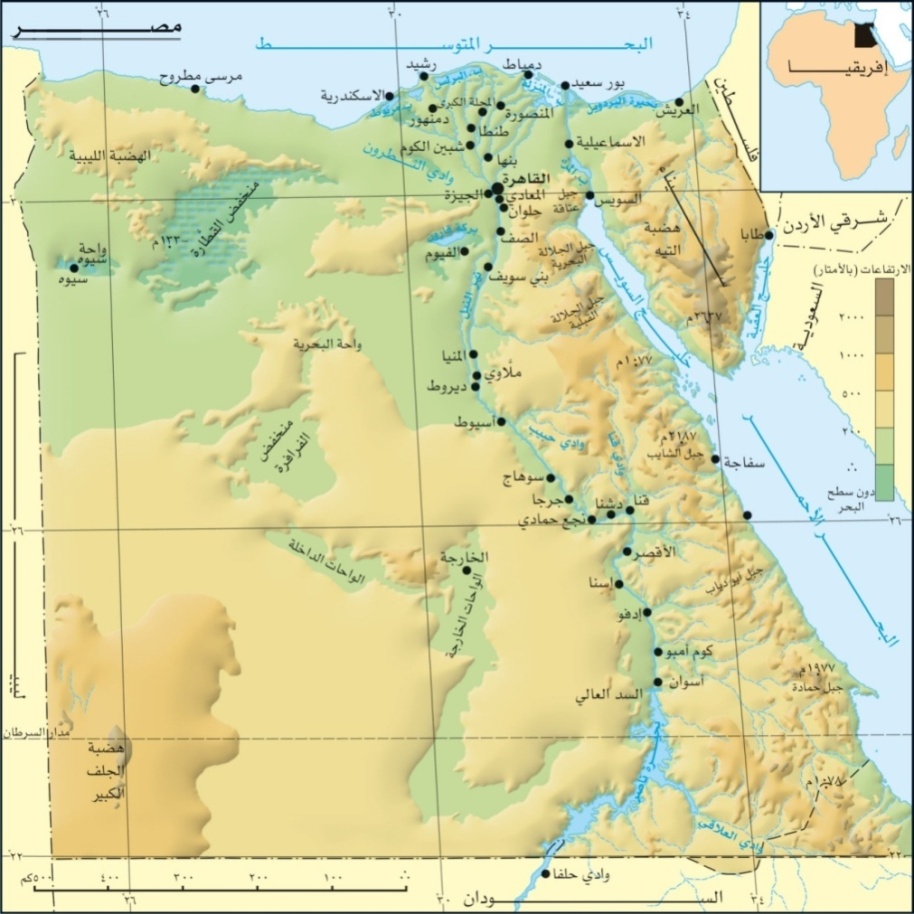
Also known as Dakhla, it is an oasis in the Sahara Desert and a city and district in the New Valley Governorate of Egypt. It stretches approximately 80 km from east to west and 25 km from north to south. It lies on the road connecting Farafra to the north and Kharga to the east.
Administrative Divisions: Dakhla is divided into several villages, totaling approximately 17 main villages, listed from beginning to end as follows:
- Tanida Village
- Balat Village and Al-Bashandi Village
- the largest tourist village in Dakhla
- Ezbet El-Sheikh Meftah Village
- Asmant Village
- Al-Maasara Village
- Sheikh Wali Village
- Mout Village (City)
- Al-Hindaw Village
- Al-Rashida Village
- Al-Qalamoun Village
- Al-Qada Village
- Al-Jadeeda Village
- Al-Awaina Village
- Badkhlou Village
- Azab El-Qasr Village
- Al-Qasr Village was built by the Ayyubids on the ruins of a Roman fortress. It also contains Pharaonic antiquities, including Al-Muzawwaqa and a mosque from the Ayyubid era. Gharb El-Mawhoub Village Archaeological Sites: Mout: It contains gardens dating back to the 6th Dynasty BC, built in the form of terraces. Al-Bashandi is a village built in the Pharaonic style, located 40 km east of Mout. It contains an Islamic cemetery and other tombs. Roman sites include the necropolis of Kitanos Bar-de-Basent and Pa-Osir, located 35 km away. Islamic village of Balat: Dating back to the Ottoman era, it remains inhabited. Pharaonic village of Balat: Tombs built in the form of mastabas dating back to the 6th Dynasty BC, including a Greek necropolis. Deir El-Hagar Temple: Dating back to the Roman era, it features inscriptions depicting religious life and was built for the worship of the god Amun and his wife Mut. Islamic village of El-Qasr: Dating back to the Ayyubid era, it features a three-story wooden minaret, 21 meters high, and wooden lintels inscribed with Quranic verses. Paris Oasis – Temple of Dush: Located about 90 km south of El-Kharga, it contains the Temple of Dush, built for the worship of the god Serapis during the Roman era. It also includes a Turkish fortress built of mud bricks, an old church, and some pottery dating back to the Coptic era.