Ads space
Cairo
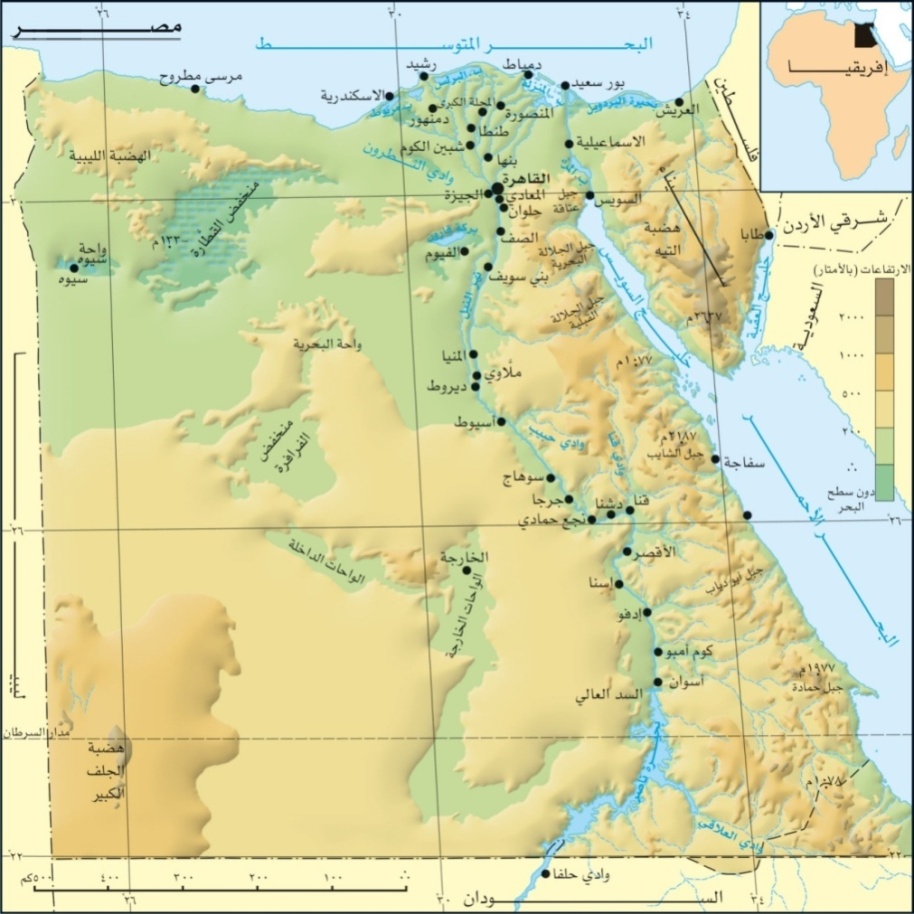
Cairo is the capital of the Arab Republic of Egypt and its largest and most important city. It is the largest Arab city in terms of both population and area, and ranks second in Africa and seventeenth globally in terms of population. Its population was 9.5 million in 2015, representing 10.6% of Egypt’s total population.
Cairo is one of the most culturally and historically diverse cities, having witnessed many different historical periods throughout the ages. It boasts numerous ancient and modern landmarks, making it an open-air museum encompassing Pharaonic, Greek, Roman, Coptic, and Islamic antiquities. The city’s history dates back to the founding of the ancient Egyptian city of On, or Heliopolis (modern-day Ain Shams), which is considered one of the oldest capitals of the ancient world.
Cairo, in its current form, dates back to the Islamic conquest of Egypt by Amr ibn al-As in 641, when he founded the city of Fustat. Later, the Abbasids established the city of al-Askar, followed by Ahmad ibn Tulun’s construction of al-Qata’i. With the arrival of the Fatimids in Egypt, the commander Jawhar al-Siqilli began building the new capital of the Fatimid state in 969, by order of the Fatimid Caliph al-Mu’izz li-Din Allah, who named it “al-Qahira” (Cairo). Throughout history, Cairo has been known by many names, including the City of a Thousand Minarets, Egypt the Protected, and Cairo of al-Mu’izz. During the Islamic era, Cairo witnessed the pinnacle of architectural achievement, exemplified by the construction of fortresses, castles, walls, schools, and mosques, giving it an aesthetic appeal that can still be seen in its old quarters today.
Top healing centers Helwan: Helwan is one of the oldest cities in Egypt and was originally a Pharaonic city. It contains the first water dam in history in the Wadi Hof area, but it disappeared over the ages until it was revived by Abdul Aziz bin Marwan, who came to Egypt from the Umayyads. He had left Fustat, the capital at that time, heading south after the plague spread in Fustat. He liked Helwan, so he took it as a temporary capital for the province of Egypt and established houses and palaces and planted gardens in it until he died there. He was then moved from it to Fustat via the Nile, and in it his son, the Commander of the Faithful, the Umayyad Caliph Omar bin Abdul Aziz, was born.