Ads space
Ras Sudr
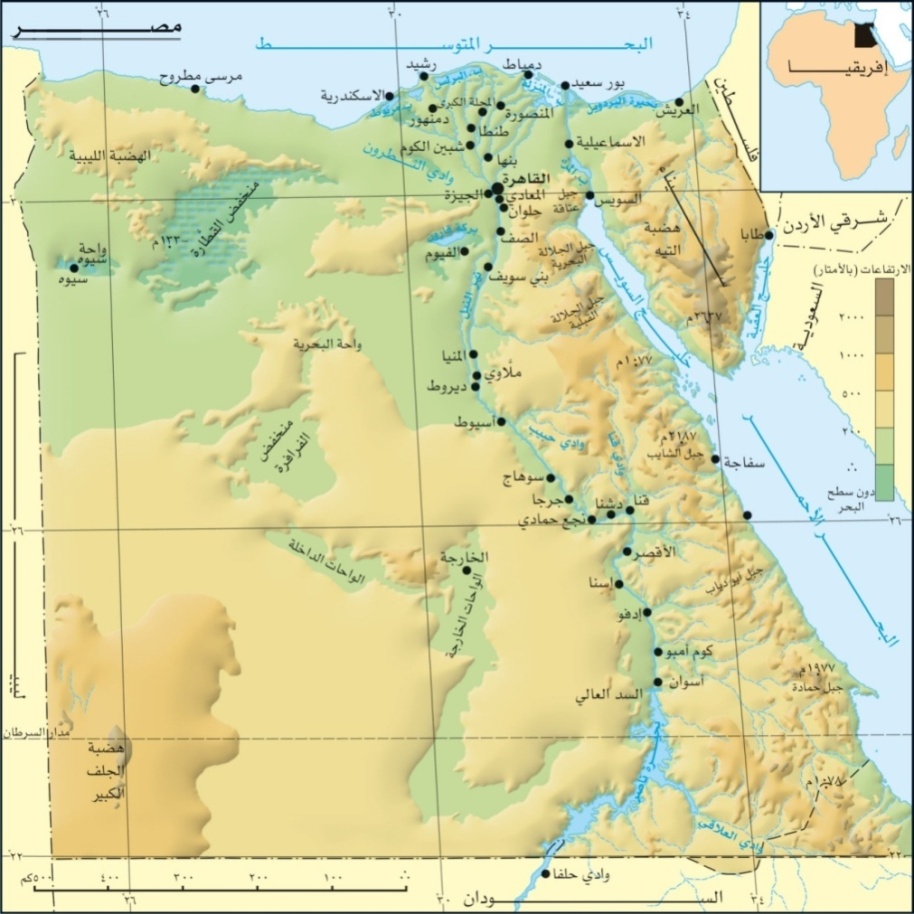
An Egyptian city located on the Gulf of Suez on the Red Sea coast, belonging to the South Sinai Governorate. It comprises three areas: Wadi Sudr, Sudr, and Abu Suweira. The region has been known since the time of the ancient Egyptians, the Prophet Moses, Jesus Christ, the Greeks, and the Romans.
Tourists are increasingly drawn to the area, which boasts sandy beaches with minimal seaweed and salt, and calm waters. Among its tourist attractions are “Qal’at al-Jundi” (Sidr Castle), a rock fortress built during Saladin’s campaign against the Crusaders, and the famous Pharaoh’s Baths, which are fed by spring water from the mountain and are a popular tourist destination. Other attractions include the cave inscriptions in the Maghara area and the Ras Sudr sulfur spring.
The city is predominantly inhabited by Bedouin from Sinai, who reside in the Wadi Sudr and Abu Suweira areas. Sudr, the city center, is mostly populated by Egyptians from the Nile Valley who have come for work. Ras Sudr is approximately 200 kilometers from Cairo via the Ahmed Hamdi Tunnel.
The area’s sandy beach stretches for 95 km, encompassing the Ras Sudr resort. The region attracts birdwatchers, particularly those observing the quail and mountain goats that inhabit it. Natural sulfur springs and baths with therapeutic properties have also been found in the area, some dating back approximately 5,000 years, with temperatures reaching 75 degrees Celsius. Among these are the Moses Springs and the Wadi Taraki Spring.
The city boasts several tourist villages and hotels along its beaches, which are increasingly popular with Egyptian tourists due to Ras Sudr’s proximity to Cairo, as well as with foreign tourists. Ras Sudr is also renowned for its safari tourism.
In 2002, an Indian whale was found in the Ras Sudr area, 50 kilometers from the city of Suez, on the shores of the Gulf of Suez. The whale belongs to the baleen whale family, known for their large size and weight, reaching between 15 and 20 tons. It measured 16 meters in length and lives in tropical waters. It is believed to have strayed from the Indian Ocean and reached the Gulf of Suez via the Bab el-Mandeb Strait.
In 2008, an Egyptian archaeological mission uncovered a cave in the Hammam Faraoun area of South Sinai that served as a refuge for Christians fleeing Roman persecution in the 4th and 5th centuries AD.