Ads space

Ain El Hamra in Wadi El Natrun
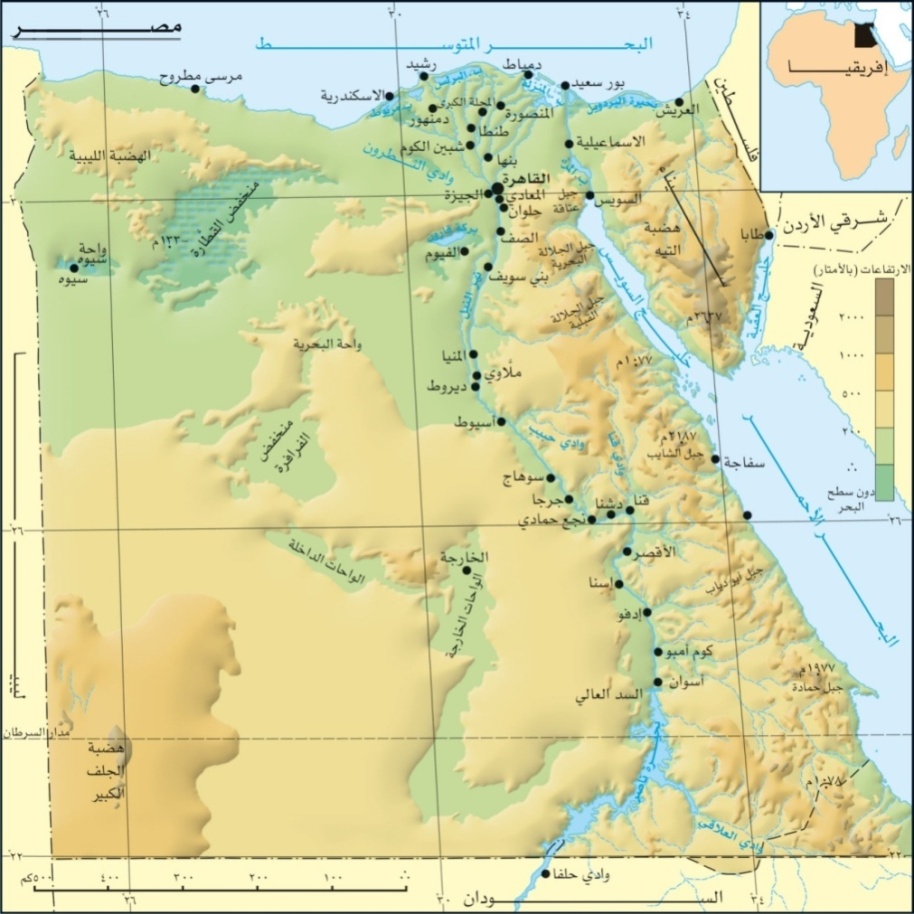
An Egyptian city belonging to the Beheira Governorate. It is located on the northeastern edge of the Western Desert, roughly halfway along the desert road connecting Cairo and Alexandria, and opposite Sadat City. Wadi El Natrun held great importance during the Pharaonic era due to the extraction of natron salt, used in mummification. It also gained religious significance in Christianity as the Holy Family passed through it. The area was known by several names, most notably: Salt Field, Shehit, Scetis, and Bir Hooker.
Ain El Hamra Lake:
Ain El Hamra:
Also known as Lake Ayoub, it is located in the heart of the Wadi El Natrun Depression and covers an area of approximately 300 acres. Ain El Hamra Lake is highly saline, yet a very freshwater spring flows from its center, believed to have healing properties for certain skin diseases. This led some officials to include it in the Beheira Governorate’s medical tourism plan, and the government intended to develop the land surrounding the lake to establish tourist and recreational facilities to support medical tourism.
This region has lakes containing sulfurous waters suitable for treating skin diseases, amidst a picturesque desert area with dense wild vegetation suitable for establishing spa resorts, but it has not yet been exploited. The salinity of the Nab’ Al-Hamra Lake is high, in addition to the abundance of ultraviolet rays in the Wadi El Natroun area, which helps in treating many skin diseases, including: psoriasis, tinea, tinea versicolor, and red and colored eczema.